Updated October 2026. This article is for general information and is not medical advice. Talk to your doctor before changing how you monitor or treat blood sugar.
People search for a “blood sugar watch” because they want to stop pricking their fingers. The honest answer in 2026 is that the wearables that really measure glucose are small sensors on the back of your arm or on your belly, called continuous glucose monitors (CGMs). They send readings to your phone, and some of them can show your numbers on a smartwatch. A watch on its own still cannot measure blood sugar.
Here is what works today, which devices you can buy without a prescription, and which products to avoid.
Our Recommended Products on Amazon
As an Amazon Associate we earn from qualifying purchases.
Table of Contents
Is There a Smartwatch That Measures Blood Sugar?
No. No smartwatch or smart ring measures blood glucose on its own, and none has been cleared by the FDA for that. In February 2024 the FDA warned consumers not to use smartwatches or rings that claim to measure blood sugar without piercing the skin, because inaccurate readings can lead to dangerous dosing mistakes. You will still see these watches advertised online. Skip them.
What a smartwatch can do is display readings from a CGM. Dexcom and Abbott apps support showing glucose on popular watches, so you glance at your wrist and see a number that actually comes from the sensor.
How a CGM Works
A CGM has a thin, flexible filament that sits just under the skin and measures glucose in the fluid between your cells every few minutes. You apply it with a spring-loaded applicator in a few seconds, and most people say it barely hurts. The sensor sends data to an app over Bluetooth, shows trends and arrows, and can alert you when you are going high or low. After 10 to 15 days, depending on the model, you replace it.
Readings lag a few minutes behind a fingerstick, because glucose reaches the fluid under the skin after it reaches the blood. That is normal. When symptoms and the number do not match, confirm with a fingerstick meter.
Quick Comparison
| Device | Prescription | Who it is for | Wear time |
|---|---|---|---|
| Stelo (Dexcom) | No | Adults with type 2 diabetes not using insulin, and adults with prediabetes | Up to 15 days |
| Lingo (Abbott) | No | Adults not on insulin who want to understand their glucose for wellness | About 14 days |
| Dexcom G7 | Yes | People with diabetes, including those using insulin | 10 days plus grace period |
| FreeStyle Libre 3 | Yes | People with diabetes, including those using insulin | 14 days |
The Best Wearable Blood Sugar Monitors
1. Stelo by Dexcom
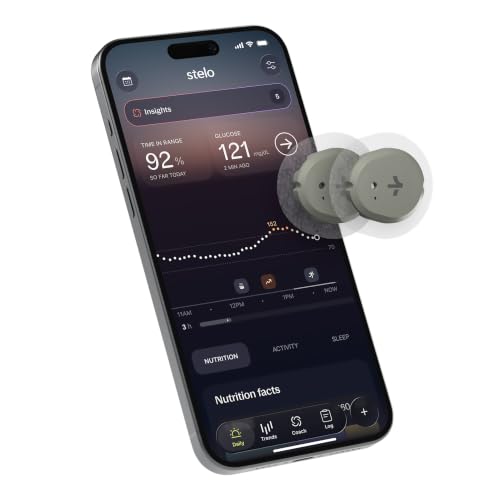
Stelo was the first CGM cleared by the FDA for sale without a prescription, in 2024. It is made by Dexcom, the company behind the G7, and it is designed for adults with type 2 diabetes who do not use insulin, and for adults with prediabetes. Each sensor lasts up to 15 days and sends readings to the Stelo app on iPhone or Android.
Stelo is not for people on insulin or with problematic hypoglycemia. It does not have the urgent low alarms of a prescription CGM. For its intended users, it gives a clear picture of how meals, exercise and sleep affect glucose.
What we like
- No prescription needed
- Long 15-day wear
- Backed by Dexcom’s sensor technology
Keep in mind
- Not for insulin users
- Fewer alerts than a prescription CGM
2. Abbott Lingo

Lingo is Abbott’s over-the-counter biosensor, built on the same technology as the FreeStyle Libre. It is aimed at adults who are not on insulin and want to see how food and habits affect their glucose. The Lingo app focuses on coaching and spotting glucose spikes after meals rather than diabetes management.
What we like
- No prescription needed
- Clear app focused on habits and food
- HSA and FSA eligible according to the listing
Keep in mind
- Not intended for diagnosing or managing diabetes
- Ongoing cost if you use it continuously
3. Dexcom G7 (prescription)
If you use insulin, a prescription CGM is the right tool. The Dexcom G7 is small, warms up in about 30 minutes, works with many insulin pumps and supports urgent low alerts and sharing readings with family. It is covered by many insurance plans and Medicare for eligible patients. You get it through your doctor and pharmacy rather than Amazon.
4. FreeStyle Libre 3 (prescription)
Abbott’s FreeStyle Libre 3 is one of the smallest CGMs available, lasts 14 days and streams readings to your phone every minute. It is often the lower-cost prescription option, and it also supports alarms and sharing. Ask your doctor whether Libre or Dexcom is a better fit for your plan and insurance.
Fingerstick Meters Still Matter
Even with a CGM, keep a traditional meter at home. You need it when readings do not match how you feel, during the first hours of a new sensor, and as a backup if a sensor fails. A good meter is inexpensive and accurate.
Contour Next Gen
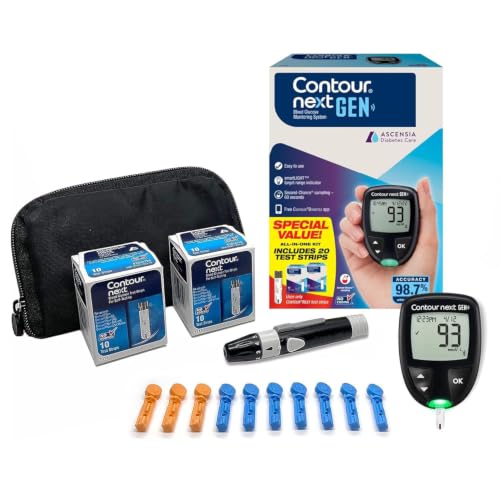
Contour Next meters are known for strong accuracy and need only a small drop of blood. The Next Gen syncs to a free app over Bluetooth and shows whether you are below, in or above your target range with a color light.
iHealth Gluco+

The iHealth Gluco+ is FDA-cleared, stores up to 500 readings and syncs with a free app. This kit includes 100 strips and lancets, so you will not run out soon.
How to Choose
- On insulin? Talk to your doctor about a prescription CGM like Dexcom G7 or FreeStyle Libre 3.
- Type 2 without insulin or prediabetes? Stelo is designed for you and needs no prescription.
- No diabetes, curious about food and energy? Lingo is built for that.
- Want numbers on your watch? Check that your CGM app supports your watch model before you buy.
Frequently Asked Questions
Are blood sugar and glucose the same thing?
Yes. Blood sugar is the everyday term for the amount of glucose in your blood.
Does inserting a CGM hurt?
Most people feel a quick pinch or nothing at all. The applicator inserts the filament automatically in about a second.
Can I shower or swim with a CGM?
Most current CGMs are water resistant for showers and swimming within the limits in their instructions. Overpatches help sensors stay on during sports.
Are CGMs covered by insurance?
Prescription CGMs are often covered for people with diabetes, especially those using insulin. Over-the-counter sensors like Stelo and Lingo are usually paid out of pocket, though some are HSA or FSA eligible.
Bottom Line
A blood sugar “watch” does not exist yet, so do not buy one that claims to measure glucose through the skin. A CGM is the wearable that works. If you are not on insulin, Stelo and Lingo let you start without a prescription. If you use insulin, ask your doctor about Dexcom G7 or FreeStyle Libre 3, and keep a fingerstick meter as backup.
Our Recommended Products on Amazon
As an Amazon Associate we earn from qualifying purchases.

As a professional trainer and a gadget lover, I’ve spent a lot of money and time buying wearable activity trackers, smartwatches, and gadgets, and checking them out. My site is focused on helping you with your activity tracking and smart technology journey. I try to provide the most helpful updated content on this subject. Hopefully, you will love my blogs and be a regular around here.